一曲琵琶传千古,白居易《琵琶行》信达雅英译
《琵琶行》是中华古典叙事诗巅峰,亦是中华文化出海标志性名片,承载中式离愁与人世共通的悲悯。本次英译严守“信达雅”,坚持以诗译诗、功能对等,复刻原诗音律、意象与情志,消解跨文化传播隔阂,让千年东方诗魂跨越语言,向世界传递唐诗独有的人文厚度与审美意境。
白居易(772—846),唐代诗人。字乐天,号香山居士。下邽(今陕西渭南)人。贞元进士,授秘书省校书郎。元和年间任左拾遗及左赞善大夫。后因上表请求严缉刺死宰相武元衡的凶手,得罪权贵,贬为江州司马。长庆初年任杭州刺史,宝历初年任苏州刺史,后官至刑部尚书。在文学上,主张“文章合为时而著,歌诗合为事而作”,是新乐府运动的倡导者。其诗语言通俗。与元稹常唱和,世称“元白”。有《白氏长庆集》。
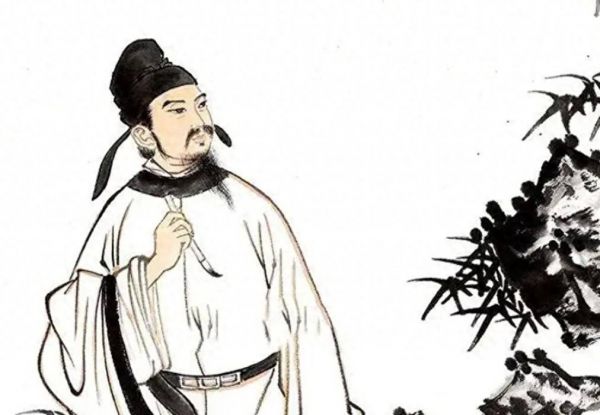
《琵琶行》是唐代诗人白居易在元和十一年(即公元816年)秋季创作的长篇叙事诗。此诗通过对歌妓琵琶女高超弹奏技艺和不幸人生经历的描述,揭露了封建社会官僚腐败、民生凋敝、人才埋没等不合理现象,表达了诗人对琵琶女的深切同情,也抒发了诗人对自己无辜被贬的愤懑之情。
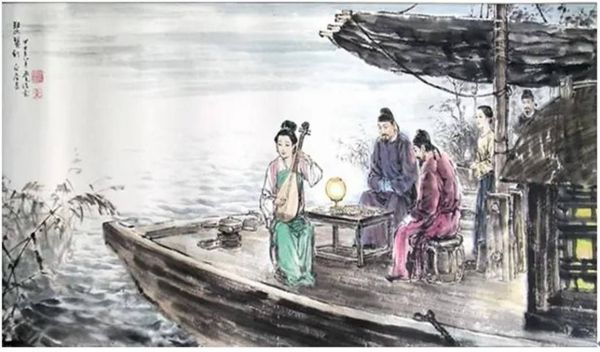
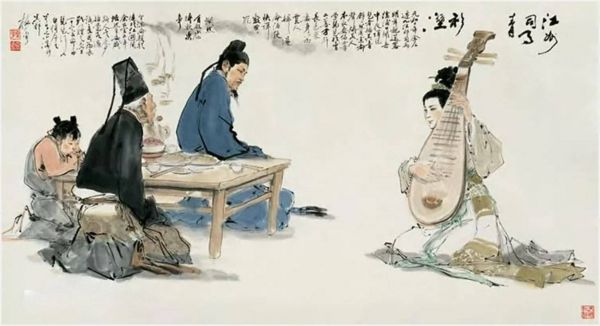
元和十年,予左迁九江郡司马。明年秋,送客湓浦口,闻舟中夜弹琵琶者,听其音,铮铮然有京都声。问其人,本长安倡女,尝学琵琶于穆、曹二善才,年长色衰,委身为贾人妇。遂命酒,使快弹数曲。曲罢悯然,自叙少小时欢乐事,今漂沦憔悴,转徙于江湖间。予出官二年,恬然自安,感斯人言,是夕始觉有迁谪意。因为长句,歌以赠之,凡六百一十六言,命曰《琵琶行》。
浔阳江头夜送客,枫叶荻花秋瑟瑟。
主人下马客在船,举酒欲饮无管弦。
醉不成欢惨将别,别时茫茫江浸月。
忽闻水上琵琶声,主人忘归客不发。
寻声暗问弹者谁?琵琶声停欲语迟。
移船相近邀相见,添酒回灯重开宴。
千呼万唤始出来,犹抱琵琶半遮面。
转轴拨弦三两声,未成曲调先有情。
弦弦掩抑声声思,似诉平生不得志。
低眉信手续续弹,说尽心中无限事。
轻拢慢捻抹复挑,初为《霓裳》后《六幺》。
大弦嘈嘈如急雨,小弦切切如私语。
嘈嘈切切错杂弹,大珠小珠落玉盘。
间关莺语花底滑,幽咽泉流冰下难。
冰泉冷涩弦凝绝,凝绝不通声暂歇。
别有幽愁暗恨生,此时无声胜有声。
银瓶乍破水浆迸,铁骑突出刀枪鸣。
曲终收拨当心画,四弦一声如裂帛。
东船西舫悄无言,唯见江心秋月白。
沉吟放拨插弦中,整顿衣裳起敛容。
自言本是京城女,家在虾蟆陵下住。
十三学得琵琶成,名属教坊第一部。
曲罢曾教善才服,妆成每被秋娘妒。
五陵年少争缠头,一曲红绡不知数。
钿头银篦击节碎,血色罗裙翻酒污。
今年欢笑复明年,秋月春风等闲度。
弟走从军阿姨死,暮去朝来颜色故。
门前冷落鞍马稀,老大嫁作商人妇。
商人重利轻别离,前月浮梁买茶去。
去来江口守空船,绕船月明江水寒。
夜深忽梦少年事,梦啼妆泪红阑干。
我闻琵琶已叹息,又闻此语重唧唧。
同是天涯沦落人,相逢何必曾相识!
我从去年辞帝京,谪居卧病浔阳城。
浔阳地僻无音乐,终岁不闻丝竹声。
住近湓江地低湿,黄芦苦竹绕宅生。
其间旦暮闻何物?杜鹃啼血猿哀鸣。
春江花朝秋月夜,往往取酒还独倾。
岂无山歌与村笛?呕哑嘲哳难为听。
今夜闻君琵琶语,如听仙乐耳暂明。
莫辞更坐弹一曲,为君翻作《琵琶行》。
感我此言良久立,却坐促弦弦转急。
凄凄不似向前声,满座重闻皆掩泣。
座中泣下谁最多?江州司马青衫湿。
Preface
In the tenth year of the Yuanhe reign, I was demoted to the post of Sima–a subordinate civil official–of Jiujiang (an archaic name for Jiangzhou). The following autumn, I saw a guest off at thePenpuFerry. By night, I heard a pipa played from a nearby boat; its crisp, resonant tones bore the distinct musical style of Chang’an, the imperial capital.
I asked after the performer. She was once an imperial female musician of Chang’an, who had studied pipa under two celebrated pipa masters, Mu and Cao. As years passed and her youthful beauty faded, she married a merchant. I ordered wine to be brought and bade her play several pieces with unreserved passion.
When the music ended, sorrow clouded her face. She recounted the joy of her girlhood, then told how she now wandered the rivers, worn and wretched. Two years had passed since I was sent away from the court. I had long grown calm and reconciled to my exile, yet her words stirred my heart. That night, I truly felt the weight of my banishment.
I therefore composed this long ballad to sing and present to her. It contains six hundred sixteen Chinese characters, and I name it Song of the Pipa.
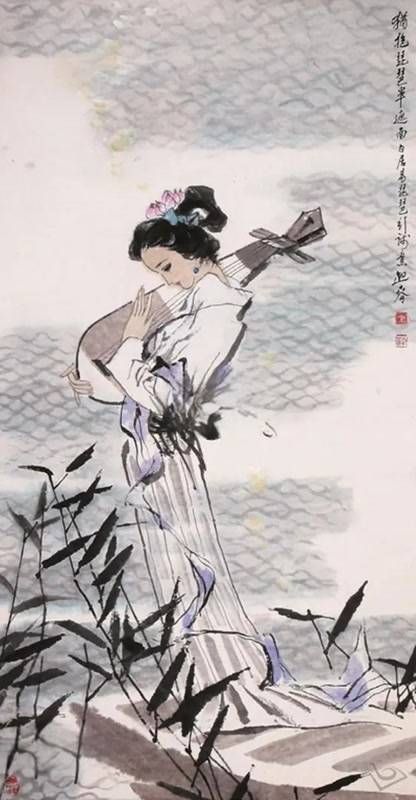
Song of the Pipa
By BaiJuyi/ Translated by Wang Yongli
By Xunyang's shore at night I bade a friend goodbye,
Where maples sigh with reeds 'neath autumn sky.
The host alights, the guest stays on the boat,
We raise our cups, yet no tune strikes a note.
Our hearts are heavy; drunk yet joyless, we must part,
The moon’s pale glow o’er boundless river spread apart.
A pipa’s drift of sound floats soft across the tide,
Host forgets to return; the guest will not abide.
I trace the melody and softly call her name,
Her pipa falls silent, slow to speak, half-ashamed.
We draw our boats side by side, beg her appear,
Add wine, relight the lamps, and feast once more draw near.
A thousand calls, ten thousand bids, till she comes slow,
Her pipa pressed to breast, half hiding face below.
She twists the tuning pegs, plucks two faint notes low,
Before the tune unfolds, her grief begins to show.
Each string restrained, each note a mournful sigh,
As if she pours her unfulfilled life by and by.
She bows her head, her fingers drift unconfined,
Pouring all endless hidden sorrows of her mind.
Light plucks, slow twists, strokes soft and quick alternate,
First Rainbow Skirt, then Six-Yao resound its fate.
Thick strings roar loud like sudden torrential rain,
Thin threads whisper soft as lovers’secret gain.
Loud hums and soft murmurs in tangled cadence fall,
Like pearls of varying size upon a jade plate’s wall.
Oriole trills slip smooth beneath the blossom bough,
Then brooks sob faint, trapped under sheets of frozen snow.
Ice-chilled springs clog, the taut strings stiffen, fade,
All sound cut short, the melody fully stayed.
A deeper hidden woe arises in the hush,
Silence outshines all sound in sorrow’s tender rush.
A silver vase bursts, water surging wide,
Iron horsemen charge, swords clashing side to side.
She draws the plectrum hard across all four strings’core;
One sharp crack rings, as fine silk rips and tears apart.
All boats east and west sink into voiceless calm,
Only the autumn moon glows white midstream’s soft palm.
She pauses, lays her plectrum’mid the strings at rest,
Smoothsher robe, stands straight, her mournful look repressed.
She says:“I was born a maid within the capital,
My home beneath the Mantis Mound, where blooms enthrall.
At thirteen I mastered pipa’s every art,
My name stood foremost in the Palace Music Mart.
When I finished playing, masters bowed to my lay;
My finished makeup stirred othersongmaids’envy each day.
Young lords of Five Mausoleums vied to shower silk,
Countless red gauze gifts for every tune I spake.
Silver hair combs jewelled with gold were smashed to beat the beat,
Blood-red silk gowns stained with overturned wine’s warm heat.
Year after year I laughed through endless spring and fall,
Autumn moons, spring breezes wasted one and all.
My brother marched to war; my old foster mother died,
Day after day my youthful beauty faded wide.
Before my gate no horses trotted, guests grew thin;
In middle age I wed a merchant, cold within.
Merchants prize gold above the pain of separation’s cost;
Last month he sailed for Fuliang, tea profits to accost.
Left all alone, I guard an empty boat at river’s mouth,
Bright moon wraps my hull, cold river water stretches south.
Deep in the night I dream my youthful gaiety,
Tears streak my powdered cheeks, red streaks all traceably.”
I sighed long hearing just her pipa’s mournful strain,
Her life’s sad tale awakens heavier grief again.
We are both wanderers cast to distant, foreign lands—
Why need we know each other well to understand?
I left the royal capital last autumn’s tide,
Exiled to sickly rest in Xunyang’s countryside.
This remote Xunyang bears no refined musical sound,
All year no pipa, flute, nor stringed tune can be found.
My cottage stands low, damp beside thePenpustream,
Yellow reeds and bitter bamboo round my dwelling teem.
What cries resound here morning, evening, dawn and dusk?
Blood-weeping cuckoos, apes that wail in sorrow’s husk.
On flower-laden spring dawns, moonlit autumn nights,
I often pour wine, drinking alone, no soul in sights.
There are mountain ballads, village flutes, crude and unrefined,
Harsh, jarring tones no gentle ear can bear to find.
Tonight I hear your pipa’s melancholy lay,
Like celestial music clearing my dull ear straightway.
Do not refuse; sit down and play one more full tune,
I’ll write this ballad of your fate, for all time to commune.
Touched by my words, she stands long, lost in heavy thought,
Then sits again, tightens strings, her strokes grow fierce and hot.
The tune’s sad weight surpasses all she played before,
All guests wipe streaming tears, consumed by bitter lore.
Which guest sheds most tears in this sorrow-gathered throng?
The Sima of Jiangzhou’s blue official robe is soaked long.
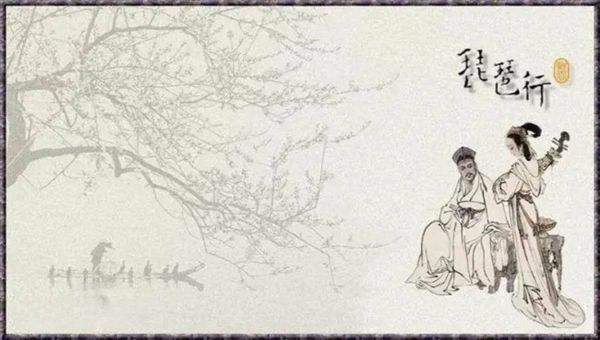
本次译文严格忠于《全唐诗》所载原作全文,完整保留全部叙事段落、典故、意象与悲怆基调,无删减、无增改核心文意。全篇采用统一A-B-A-B隔行英诗格律,节奏贴合原诗起伏;兼顾古典书面语感与海外读者可读性,统一“pipa”乐器译名,唐代官职、乐坊、地名内嵌浅白释义,消解文化折扣。序言、长诗文风连贯统一,平衡字面精准、意境还原与韵律美感,符合传世译本的文学审美与对外文化传播标准。译者学识有限,译作难免存有疏漏,恳请学界前辈、译界方家批评指正。
以诗译诗,以韵传韵,本英译完整复刻《琵琶行》千古悲悯与文字风骨。跨越语言壁垒,让天涯同悲的共通人情、独属于东方的唐诗意境走向全球。愿这份精准隽永的双语译本,成为传递中华古典诗词、彰显华夏文学底蕴的优质出海载体。
来源:北京号
作者: 笔力王永利
相关知识
白居易《柳絮》英译,信达雅诗韵出海的东方美学价值传播
白居易的《琵琶行》中,你可能不知道的一些细节
大型唐诗古典音乐剧《琵琶行》17日上演 展示中国古典文化魅力
白居易创作《琵琶行》的背景:听曲入迷忘付茶钱的文人趣事
《琵琶行》走红5年后,白居易又写一篇缩写版,仅28字也很有水平
从信达雅中看汽车
年少不懂《琵琶行》,读懂已是泪千行
诗苑|白居易《问刘十九》(多版英译)
读了《琵琶行》为什么我觉得琵琶女一点不凄惨?上岸的夜总会花魁
以酒为媒,青花郎在国际舞台译出白酒出海“信达雅”
推荐资讯



- 1李沁肖战已同居领证? 李沁肖 49379
- 2闫妮老公邹伟平简历 闫妮前 45152
- 3王凯蒋欣承认已有一子? 结 41034
- 4王灿前夫 王灿的第一任老公 36798
- 5汪希玥回北京过年,怎料见到汪 32982
- 6霍启山与霍启仁对嫂子郭晶晶的 29891
- 7张佳宁和宋轶长得像 同属甜美 25990
- 8央视主持孙小梅丈夫曝光,是大 21403
- 960年代,洪秀柱(右后)与父 20350
- 10佟丽娅事件是什么 佟丽娅回应 19649